
Let me guess what you’re thinking:
“My child has been going for dance class for 6 months. When’s the stage performance?”
Or maybe:
“My friend’s daughter did Arangetram after 5 years. My daughter is in year 3. Should she be close?”
Or the classic:
“But in that dance reality show, kids perform complex pieces immediately!”
Let me give you the honest answer nobody tells you upfront.
The Uncomfortable Truth
Classical dance is slow.
Not because teachers are lazy or holding back students. But because building the foundation properly takes time.
Think of it like this:
Building a home:
- Week 1: You see nothing (digging foundation)
- Month 3: Still mostly foundation work
- Month 6: Finally walls start showing
- Year 1: House takes shape
- Year 2: Finishing work
Everyone wants to skip to Year 2. But try living in a house with no foundation – it’ll collapse.
Same with dance.
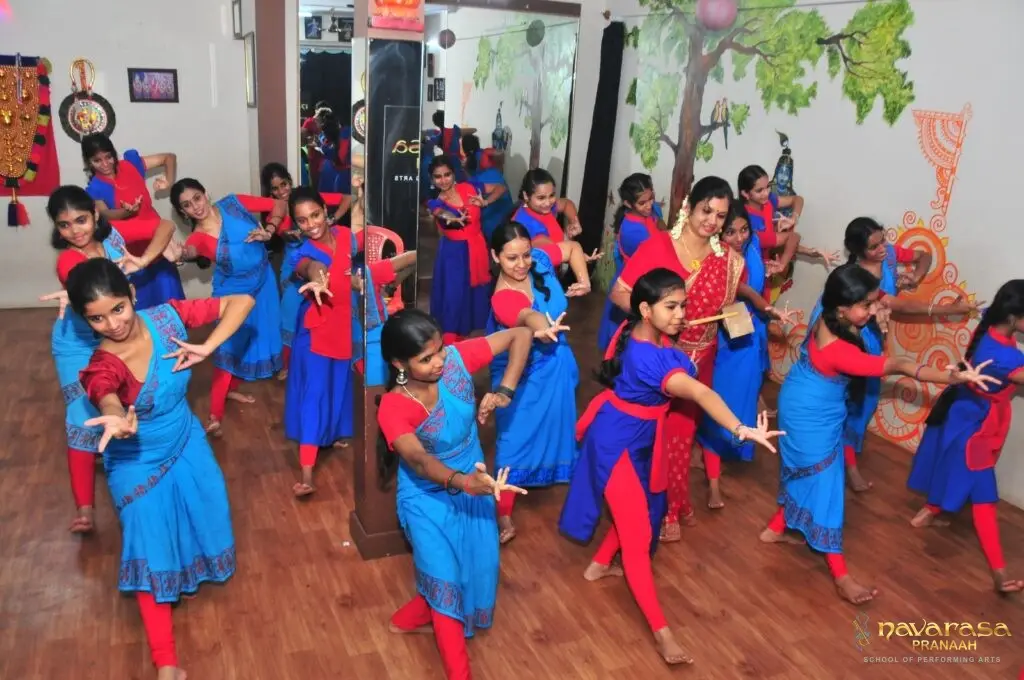
The Realistic Timeline (Based on 12 Years of Teaching)
Year 1: The Foundation Year
“When does the fun part start?”
What’s happening:
- Learning to stand properly (Aramandi – that leg-burning position)
- Basic footwork patterns (Adavus)
- Simple hand gestures (Mudras)
- Lots of repetition
What it looks like: Honestly? Kind of boring. Your child is doing the same steps over and over.
Reality check:
Remember how your child learned to write? First, they traced letters for months. It looked like nothing. But without that, they couldn’t write essays later.
Performances: Maybe a small group item at an informal function. Don’t expect solo stage appearances.
Parent patience required: 🌟🌟🌟🌟🌟 (Maximum)
Years 2-3: Building Blocks
“Okay, NOW when does the fun part start?”
What’s happening:
- Completing all fundamental Adavus
- Learning full basic items (Alarippu, Jatiswaram)
- Introduction to Abhinaya (expression)
- Building stamina
What it looks like: Your child can now dance continuously for 10-15 minutes. They’re learning pieces that actually look like “dance” to you.
Reality check: They can perform basic items well. But they’re not ready for complex storytelling pieces yet. It’s like they can write sentences, but not essays.
Performances: Group performances at annual functions. Maybe their first solo basic item.
Parent patience required: 🌟🌟🌟🌟 (High, but you’re seeing progress!)
Years 4-5: The Transition Phase
“Finally, it’s getting interesting!”
What’s happening:
- Learning storytelling pieces (Shabdam, Padam)
- Real Abhinaya training begins
- Introduction to Varnam (the core item)
- Refining technique
What it looks like: Your child can now portray characters. They’re not just doing steps – they’re telling stories.
Reality check: This is when many students quit. Why? Because it gets harder. They’re no longer learning “moves” – they’re learning to emote, interpret, and perform. Some kids love this phase; others find it overwhelming.
Performances: Solo performances at cultural events. They look legitimate on stage now!
Parent patience required: 🌟🌟🌟 (Moderate – you see clear results)
Years 6-7: Advanced Training
“My child is actually a dancer now!”
What’s happening:
- Complex Varnams (30-45 minute pieces)
- Advanced Abhinaya work
- Learning full Margam (complete repertoire)
- Arangetram preparation begins
What it looks like: Your child has stamina, skill, and expression. They can dance for 45+ minutes maintaining quality.
Reality check: This is when Arangetram becomes realistic. Not because “it’s been 7 years” (arbitrary), but because they’re actually ready.
Performances: Regular solo performances. They’re confident and competent.
Parent patience required: 🌟 (Low – you’re excited about Arangetram!)
Year 8+: Arangetram and Beyond
“Wait, there’s MORE after Arangetram?”
The Big Performance: Arangetram – Your child’s debut full solo recital (2-2.5 hours)
After Arangetram:
- Continued training and refinement
- Learning new items
- Maybe teaching junior students
- Developing personal style
Reality check: Arangetram isn’t the end – it’s like 10th standard board exams. Important milestone, but education continues.
Why Reality Shows Mislead Parents
“But on Dance Karnataka Dance, kids do amazing pieces immediately!”
Let me explain:
Reality shows teach:
Choreography (learning set moves)
Stage presence
Contemporary fusion
Entertainment value
Classical training teaches:
Technique (foundation that takes years)
Tradition (specific way of doing things)
Theory (understanding the why)
Cultural context
Both are valuable. But they’re different.
It’s like comparing:
- 100m sprint vs. Marathon
- Instagram reel vs. Feature film
- Chai from a stall vs. Filter coffee ritual
Different purposes. Different timelines.
Talk to us to understand more about – What slows down progress, When to Worry, and Managing Child’s Expectations
The Beautiful Part
Here’s what I’ve observed after 12 years of teaching:
The students who stick through the “boring” foundation years? They become the ones who:
- Have unshakeable confidence
- Show genuine dedication to anything they pursue
- Appreciate the value of patience and practice
- Carry themselves with grace and poise
- Have deep cultural pride
The timeline isn’t just about learning to dance.
It’s about building character.
Your Role as a Parent
You’re not the teacher. You’re the support system. Your job:
- Ensure regular attendance
- Create practice time at home
- Provide encouragement during hard phases
- Celebrate milestones (however small)
- Trust the teacher’s expertise
- Manage your own expectations
What you’ll get in return: A child who knows how to commit to something long-term, work through difficulty, and emerge transformed.
Not just a dancer. A disciplined, culturally-rooted, confident individual.
Worth the 7-year wait? Let’s connect!
Read the full series: